"The lights grow brighter as the earth lurches away from the sun, and now the orchestra is playing yellow cocktail music, and the opera of voices pitches a key higher. Laughter is easier minute by minute, spilled with prodigality, tipped out at a cheerful word. The groups change more swiftly, well with new arrivals, dissolve and form in the same breath; already there are wanderers, confident girls who weave here and there among stouter and more stable, become for a sharp, joyous moment the center of a group, and then, excited with triumph, glide on through the sea-change of faces and voices and color under the constantly changing light." (40-41)
I initially picked this passage because I had thought that it was beautiful, but after looking deeper I found it to be distasteful. If you were to just skim it like I did initially, you would see a party in full throttle, but that is exactly what makes this passage unpleasant. While the way it is written is quite beautiful, the meaning sewn through the words show something else.
The lights of the party get brighter, which is normal for a party; however, it happens "as the earth lurches away from the sun." "Lurches" implies that they moved away uncontrollably and abruptly, while the sun represents responsibility and sober decisions. Because they are getting farther away from the sun, they are getting farther from an unclouded mind and closer to the darkness of drunken decisions and irresponsibility. The "lights" that get brighter are artifical when compared to the sun, so the "light" or enjoyment that the parties think they have is actually non-existent. Fitzgerald makes the partiers seem even worse by implying that the party gets better to them when they are clouded by more darkness.
As the night goes on "laughter is easier...spilled with prodigality, tipped out at a cheerful word." This is a prime example of how if you didn't look into it you would have just thought they were laughing and having a good time. But sandwiched between the "laughter" and "cheerful word" is "prodigality," wastefulness and overindulgence that comes with such socialization at a lavish party. It almost makes it seem as if their enjoyment is wasteful and irrelevant because it is so profuse. To elaborate, the word "spilled" serves a similar purpose as "lurches." Spilled makes it seem like their enjoyment was an accident that shouldn't have happened, but did as a result of their carelessness.
As soon the "wanderers," and "confident girls" have their "joyous moment [as] the center of the group," they immediately "glide on" without savoring the moment. They simply treat it as a item on their list of life to check off. Since they "glide" through the "sea-change of faces and voices" they never get to know the people and build relationships. The only thing they build is this false sense of sociability. This is what I think Fitzgerald was trying to stress: the artificial nature of the Jazz Age. The decisions that they made were real decisions, but the state of mind that they made them in was fake. The laughter and cheerfulness that surfaced from these interactions were wasteful because it was not genuine. All the moments that the partiers experiences were artificial and meaningless. Because of this, beautiful is the last word I would use to describe the lavish parties.
I initially picked this passage because I had thought that it was beautiful, but after looking deeper I found it to be distasteful. If you were to just skim it like I did initially, you would see a party in full throttle, but that is exactly what makes this passage unpleasant. While the way it is written is quite beautiful, the meaning sewn through the words show something else.
The lights of the party get brighter, which is normal for a party; however, it happens "as the earth lurches away from the sun." "Lurches" implies that they moved away uncontrollably and abruptly, while the sun represents responsibility and sober decisions. Because they are getting farther away from the sun, they are getting farther from an unclouded mind and closer to the darkness of drunken decisions and irresponsibility. The "lights" that get brighter are artifical when compared to the sun, so the "light" or enjoyment that the parties think they have is actually non-existent. Fitzgerald makes the partiers seem even worse by implying that the party gets better to them when they are clouded by more darkness.
As the night goes on "laughter is easier...spilled with prodigality, tipped out at a cheerful word." This is a prime example of how if you didn't look into it you would have just thought they were laughing and having a good time. But sandwiched between the "laughter" and "cheerful word" is "prodigality," wastefulness and overindulgence that comes with such socialization at a lavish party. It almost makes it seem as if their enjoyment is wasteful and irrelevant because it is so profuse. To elaborate, the word "spilled" serves a similar purpose as "lurches." Spilled makes it seem like their enjoyment was an accident that shouldn't have happened, but did as a result of their carelessness.
As soon the "wanderers," and "confident girls" have their "joyous moment [as] the center of the group," they immediately "glide on" without savoring the moment. They simply treat it as a item on their list of life to check off. Since they "glide" through the "sea-change of faces and voices" they never get to know the people and build relationships. The only thing they build is this false sense of sociability. This is what I think Fitzgerald was trying to stress: the artificial nature of the Jazz Age. The decisions that they made were real decisions, but the state of mind that they made them in was fake. The laughter and cheerfulness that surfaced from these interactions were wasteful because it was not genuine. All the moments that the partiers experiences were artificial and meaningless. Because of this, beautiful is the last word I would use to describe the lavish parties.
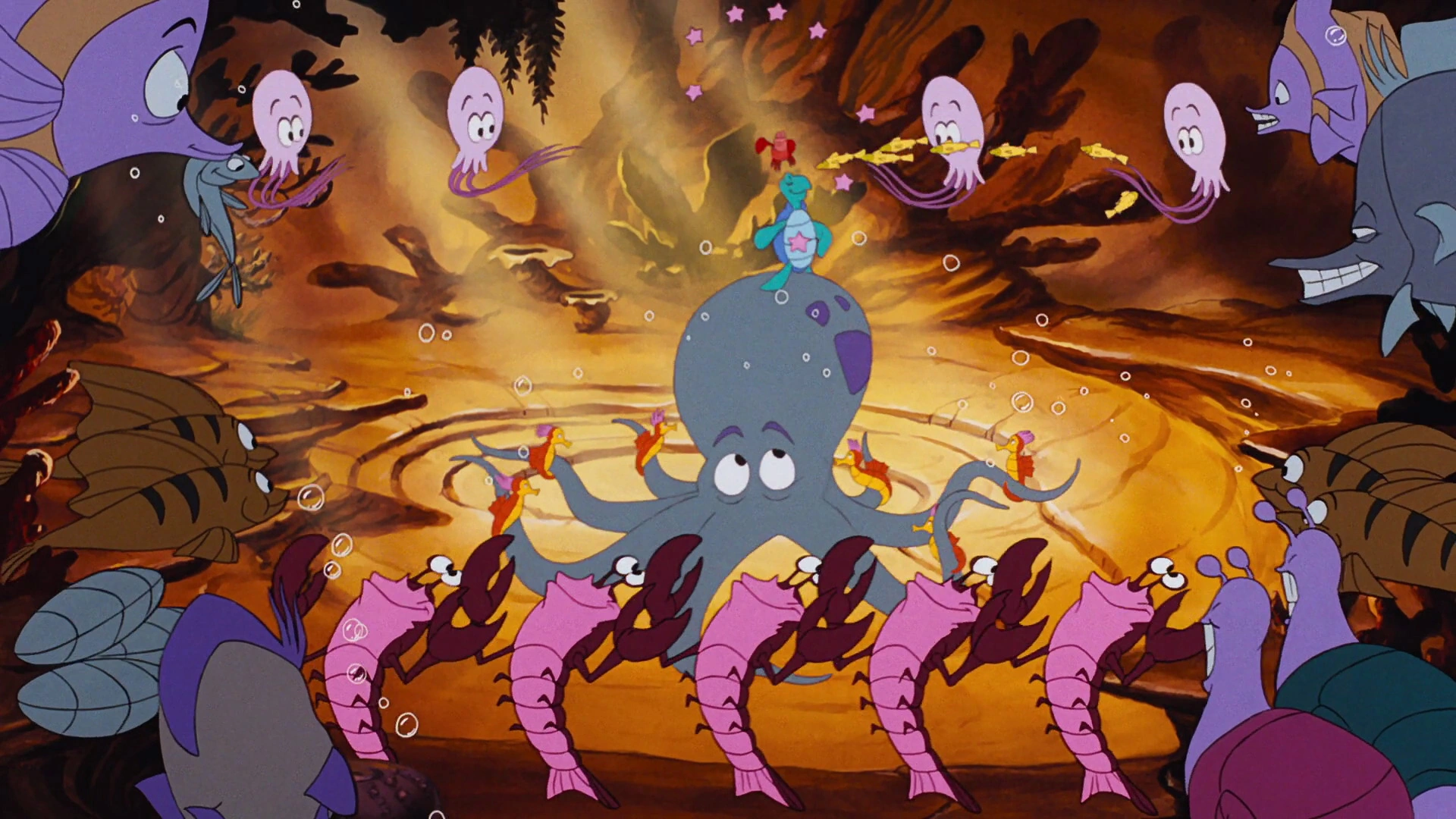 |
| How it would look if Gatsby would throw a party under the sea |
Great post! I like how you contrast your initial thoughts with your thoughts after deeply analyzing the passage. You bring up an interesting point about the atmosphere of the party by comparing the sun to sober and sound decisions. Well done!
ReplyDeleteI loved this post, I enjoyed your analysis of the passage and how descriptive your thoughts and opinions were on the piece.
ReplyDeleteThis was a great post, really apt analysis! Like you, I didn't read deeply into this passage the first time and your post really pulled it apart and helped me see what was between the lines.
ReplyDelete